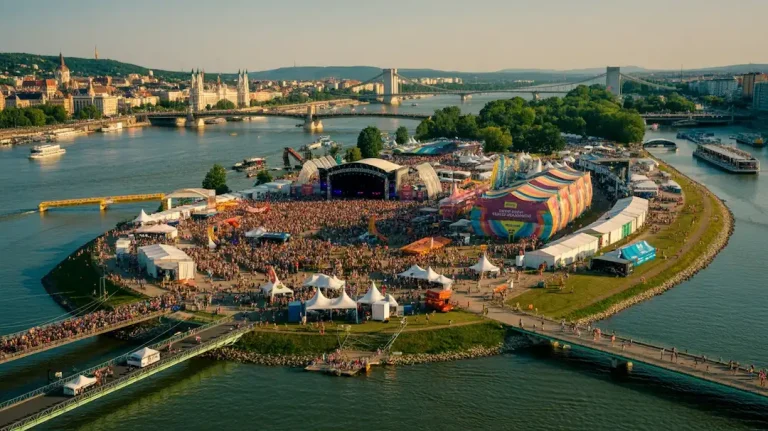
Lantern Festival Guide 2026: Events, UK Shows & Traditions
A lantern festival is a cultural celebration where illuminated lanterns are displayed, released into the sky, or floated on water to symbolize hope, light, and new beginnings. These festivals usually take place on specific traditional dates depending on the country and culture. For example, in China, the lantern festival is celebrated on the 15th day of the Lunar New Year (usually in February or March). In Thailand, it is held during November as part of seasonal celebrations.
It holds deep cultural and spiritual meaning, representing unity, remembrance, and the victory of light over darkness. Today, the lantern festival is celebrated worldwide in different forms, combining tradition with modern entertainment, while still spreading a universal message of positivity and togetherness.
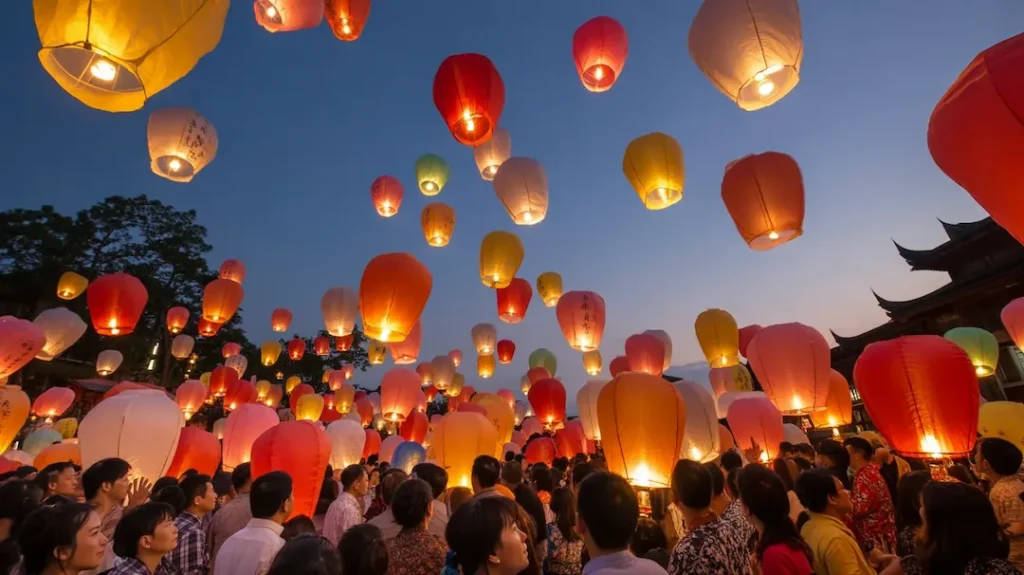
Table of Contents
What Is a Lantern Festival?
A lantern festival is a vibrant cultural celebration where illuminated lanterns are displayed, released, or carried to symbolize light, hope, and new beginnings. These festivals are held in different parts of the world, each reflecting unique traditions, beliefs, and artistic expressions. At its core, a lantern festival brings people together to celebrate beauty, unity, and the power of light over darkness.
Definition and Meaning of Lantern Festivals
The term lantern festival generally refers to an event where decorative lanterns—often made from paper, silk, or other lightweight materials—are lit and showcased in various forms. Some lanterns are hung in public spaces, while others are released into the sky or floated on water. These glowing displays create a magical atmosphere that attracts both locals and tourists.
The meaning of a lantern festival goes beyond visual appeal. Lanterns traditionally symbolize guidance, enlightenment, and the removal of darkness. In many cultures, lighting a lantern represents letting go of the past and welcoming a brighter future. Whether it’s a large-scale public event or a small community gathering, the essence of a lantern festival lies in spreading positivity and joy.
Cultural and Spiritual Significance
Lantern festivals often hold deep cultural and spiritual importance. In many Asian traditions, especially in China, lanterns are associated with harmony, family reunion, and spiritual reflection. Lighting a lantern can be seen as a way to honor ancestors, seek blessings, or express personal wishes.
In some cultures, releasing lanterns into the sky symbolizes sending prayers or intentions upward. Floating lanterns on water, on the other hand, can represent remembrance of loved ones or the cleansing of negative energy. These rituals make the lantern festival not just a celebration, but also a meaningful spiritual experience.
Additionally, lantern festivals are often tied to seasonal changes or religious events. They mark the end of celebrations, the arrival of a new year, or important historical moments. Through these traditions, communities preserve their heritage and pass it on to future generations.
Why Lantern Festivals Are Celebrated Worldwide
The popularity of the lantern festival has spread far beyond its origins, making it a global phenomenon. One reason for this is its universal appeal. The sight of glowing lanterns lighting up the night sky or reflecting on water creates a sense of wonder that resonates with people of all ages and backgrounds.
Another reason is the symbolic nature of light. Across cultures, light is associated with hope, peace, and positivity. This shared meaning makes lantern festivals relatable and adaptable in different parts of the world. As a result, many countries have adopted their own versions of the lantern festival, blending traditional elements with modern creativity.
Tourism also plays a role in the global spread of these festivals. Cities and communities organize large-scale lantern events to attract visitors, boost local economies, and showcase their cultural identity. Social media has further amplified their reach, with stunning visuals inspiring people to attend or recreate similar celebrations.
Types of Lantern Festivals Across Cultures
There are many types of lantern festival celebrations, each with its own unique style and purpose. In China, the Lantern Festival marks the end of the Lunar New Year and features intricate lantern displays, riddles, and traditional performances. In Thailand, floating lantern festivals are known for their breathtaking water and sky releases.
In Western countries, lantern festivals are often organized as entertainment events, combining light installations, music, and food. These modern versions focus more on visual spectacle while still embracing the symbolic meaning of light.
Some festivals emphasize artistic expression, showcasing large, handcrafted lantern sculptures shaped like animals, buildings, or mythological figures. Others focus on community participation, encouraging people to create and release their own lanterns.
Overall, the lantern festival is a beautiful blend of tradition, symbolism, and celebration. Whether rooted in ancient customs or modern interpretations, it continues to inspire people around the world with its message of light, hope, and togetherness.
History of the Chinese Lantern Festival
The chinese lantern festival is one of the oldest and most visually captivating celebrations in the world, with a history that dates back over 2,000 years. Deeply rooted in ancient Chinese traditions, this festival marks the grand finale of the Lunar New Year celebrations and continues to hold cultural, spiritual, and social significance even in modern times.
Origins Over 2000 Years Ago
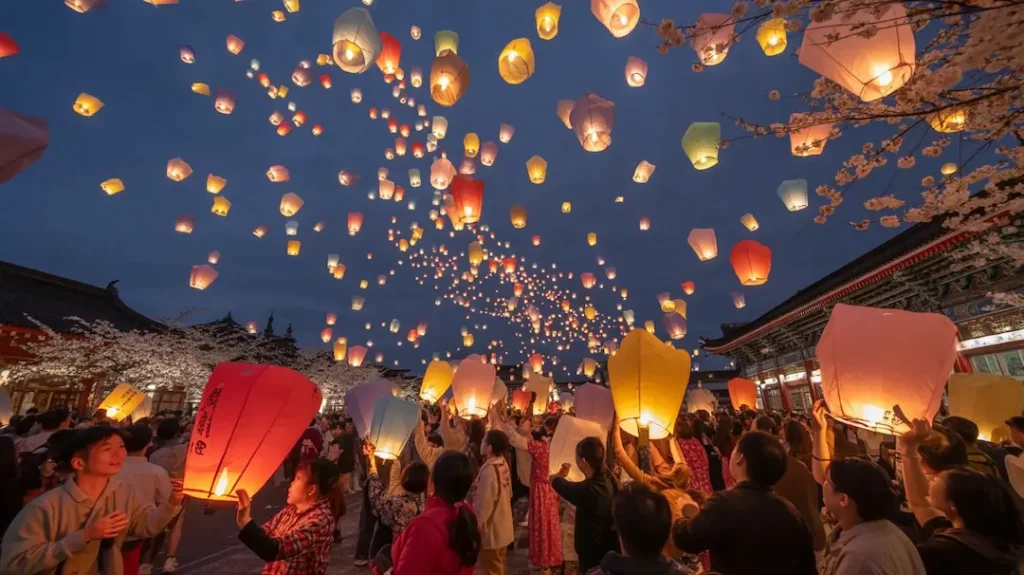
The origins of the chinese lantern festival can be traced back to the Han Dynasty (206 BCE–220 CE), a period when Chinese civilization flourished in art, culture, and philosophy. During this time, the festival began as a religious and ceremonial event. Early records suggest that Buddhist monks would light lanterns on the 15th day of the first lunar month to honor the Buddha. Inspired by this practice, emperors ordered that lanterns be lit throughout palaces and temples, gradually turning it into a nationwide tradition.
Another historical belief connects the festival to Taoist practices, where the 15th day of the lunar year was considered significant for celestial worship. Lighting lanterns symbolized respect for heavenly deities and a way to bring blessings for the year ahead. Over time, these spiritual customs blended with folk traditions, transforming the chinese lantern festival into a vibrant public celebration.
Connection with Lunar New Year Celebrations
The chinese lantern festival is closely tied to the Chinese New Year, marking its official end. Celebrated on the 15th day of the first lunar month—usually falling in February or early March—it signifies the first full moon of the new year.
This timing is highly symbolic. The full moon represents completeness, unity, and harmony within families. After days of New Year festivities filled with feasts, fireworks, and family gatherings, the lantern festival provides a joyful and meaningful conclusion. Families come together once again, lighting lanterns and enjoying traditional foods like sweet rice dumplings (tangyuan), which symbolize togetherness and reunion.
Symbolism of Light and Unity
Light plays a central role in the chinese lantern festival. Lanterns are more than decorative objects—they carry deep symbolic meaning. In Chinese culture, light represents hope, prosperity, and the ability to drive away darkness and misfortune.
During the festival, thousands of lanterns illuminate streets, homes, and public spaces, creating a magical atmosphere. This collective act of lighting lanterns reflects unity among communities. It is a moment where people set aside differences and come together in celebration.
The round shape of many lanterns also mirrors the full moon, reinforcing themes of completeness and family harmony. Whether hung in homes or released into the sky, each lantern carries wishes for happiness, success, and good fortune in the coming year.
Traditional Myths and Legends
Like many ancient festivals, the chinese lantern festival is enriched with fascinating myths and legends passed down through generations. One popular legend tells of a celestial crane that was accidentally killed by villagers. Enraged, the Jade Emperor planned to destroy the village with fire. To protect themselves, the villagers hung red lanterns and set off fireworks to make it appear as if the village was already burning. The emperor was deceived, and the village was saved—giving rise to the tradition of lighting lanterns.
Another well-known story involves a kind-hearted maiden who warned her people of divine punishment and advised them to light lanterns as a form of protection. These tales highlight the themes of wisdom, unity, and survival, which are still reflected in the festival today.
Lantern riddles are another traditional element. People write riddles on lanterns, and others try to solve them, adding a playful and intellectual aspect to the celebration. This practice has been popular since the Song Dynasty and remains a favorite activity during modern festivities.
Role in Chinese Culture Today
Today, the chinese lantern festival continues to be a major cultural event in China and among Chinese communities worldwide. While it retains its traditional roots, the festival has also evolved with time.
Modern celebrations feature grand lantern displays, often shaped like animals, mythical creatures, and famous landmarks. Cities host large-scale events with performances, dragon dances, and fireworks, attracting tourists from around the globe. The festival has become both a cultural heritage event and a major attraction for international visitors.
Despite modernization, the core values of the chinese lantern festival remain unchanged. It still emphasizes family reunion, cultural pride, and the sharing of joy. Schools, communities, and families continue to pass down traditions, ensuring that the festival remains alive for future generations.
In today’s fast-paced world, the chinese lantern festival serves as a reminder of the importance of connection, reflection, and hope. Its rich history and timeless symbolism make it more than just a celebration—it is a living tradition that continues to illuminate hearts across centuries.
Types of Lantern Festivals Around the World
Lantern festivals are celebrated across the globe in many unique and beautiful ways. While the core idea remains the same—using light as a symbol of hope, unity, and celebration—different cultures have developed their own styles and traditions. From lanterns floating into the night sky to glowing lights drifting across rivers, each type of lantern festival offers a distinct experience. Below are the most popular types of lantern festivals celebrated worldwide.
Sky Lantern Festivals
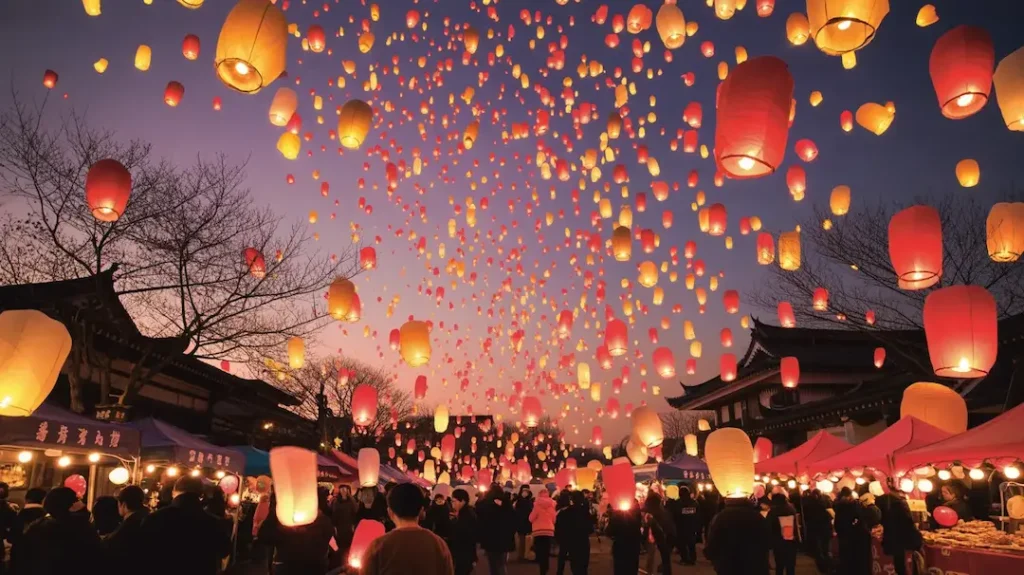
Sky lantern festivals are among the most breathtaking forms of lantern celebrations. In these events, people release illuminated lanterns into the sky, creating a magical scene as hundreds or even thousands of glowing lights rise together into the darkness.
This tradition is especially popular in Asian countries like Thailand, China, and Taiwan. One of the most famous events is the Yi Peng Lantern Festival, held annually in northern Thailand, where the sky fills with floating lanterns, creating a truly unforgettable visual experience.
The act of releasing a sky lantern carries deep symbolic meaning. People often write wishes, prayers, or goals on the lantern before releasing it. As the lantern rises, it is believed to carry those intentions upward, letting go of past worries and welcoming new beginnings.
Historically, sky lanterns were used for communication and signaling, especially in ancient China. Over time, they evolved into a cultural and spiritual activity. Today, they are widely associated with hope, freedom, and positivity.
However, in recent years, some regions have introduced regulations due to environmental and safety concerns. As a result, many modern festivals now use eco-friendly lanterns or organize controlled releases to balance tradition with sustainability.
Water Lantern Festival
The water lantern festival offers a more calm and emotional experience compared to sky lantern events. Instead of releasing lanterns into the air, participants place them on rivers, lakes, or other bodies of water, where they gently float and illuminate the surface.
This type of lantern festival is especially meaningful because it often carries themes of remembrance, healing, and reflection. People dedicate their lanterns to loved ones, write messages of gratitude, or express hopes for the future. Watching the lanterns drift away creates a peaceful and deeply personal moment.
One of the most well-known celebrations is Loy Krathong in Thailand. During this festival, beautifully decorated floating baskets with candles are released into rivers, symbolizing the release of negativity and misfortune. It is both a spiritual and visually stunning tradition.
In countries like Japan, water lantern festivals are often connected to honoring ancestors. Ceremonies such as floating lantern memorials are held to guide spirits and pay respect to those who have passed away.
In Western countries, modern water lantern festival events have also gained popularity. These gatherings often take place in public parks or lakes, where communities come together for a shared experience of reflection and unity. The atmosphere is usually quiet, respectful, and emotionally powerful, making it one of the most touching forms of lantern celebrations.
Overall, the water lantern festival emphasizes emotional connection and remembrance, offering a meaningful way for people to reflect, heal, and find peace.
Cultural & Artistic Lantern Displays
Another popular type of lantern festival focuses on large-scale cultural and artistic displays. Instead of releasing lanterns, these events feature elaborate exhibitions where lanterns are designed as decorative installations.
These festivals are commonly held in major cities and cultural centers around the world. In China, for example, entire parks and streets are transformed into glowing art spaces filled with lanterns shaped like animals, historical figures, and mythical creatures. These displays often tell stories, celebrate traditions, or highlight important cultural themes.
In places like London, lantern festivals have become popular seasonal attractions. Events such as Winter Wonderland or other light festivals feature artistic lantern installations combined with music, food, and entertainment. These modern celebrations blend traditional inspiration with contemporary creativity.
Chester Zoo in the UK also hosts famous lantern exhibitions where animal-shaped lanterns light up the pathways, offering a family-friendly and educational experience. These events attract thousands of visitors each year and are especially popular during winter months.
Artistic lantern festivals often use advanced lighting technology, combining LED lights, projection mapping, and interactive designs. This creates immersive experiences where visitors can walk through illuminated tunnels, themed zones, and creative landscapes.
Unlike sky or water lantern festivals, which focus on symbolic release, cultural and artistic displays emphasize visual storytelling and creativity. They celebrate craftsmanship and innovation while still honoring the traditional meaning of light.
Lantern Festival UK: Top Events to Visit
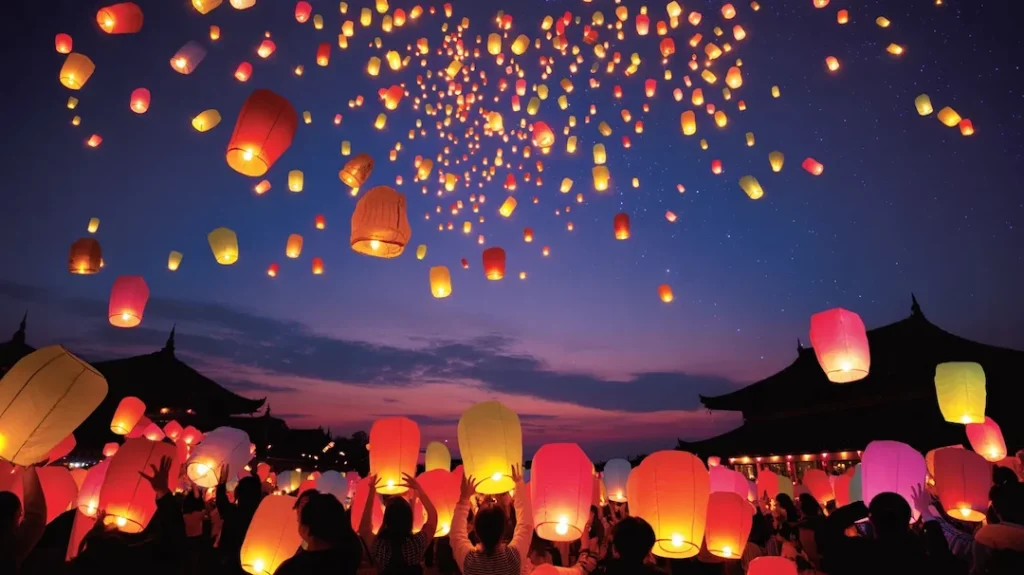
The lantern festival UK scene has grown rapidly in recent years, becoming one of the most popular winter and seasonal attractions across the country. Inspired by traditional Asian lantern celebrations, these modern UK events combine art, culture, and entertainment to create magical light displays for families, tourists, and photography lovers. From large city festivals to zoo-based lantern trails and community celebrations, the UK now hosts some of the most visually stunning lantern events in Europe.
Lantern Festival London
The capital city is home to some of the most spectacular lantern events in the country. The lantern festival London experience is not tied to a single location or event but rather a collection of seasonal light festivals, cultural celebrations, and artistic lantern displays held across parks, gardens, and cultural venues.
Major locations often include well-known public spaces such as Hyde Park, Kew Gardens, and various exhibition parks where winter light trails are organized. These events typically feature illuminated sculptures, glowing tunnels, and giant lantern installations inspired by animals, nature, mythology, and global cultures.
One of the most appealing aspects of the lantern festival London experience is its cultural diversity. London is one of the most multicultural cities in the world, and its lantern events reflect this diversity. You can find lantern displays inspired by Chinese traditions, South Asian art, African heritage themes, and modern European design. This mix creates a unique festival atmosphere where tradition meets innovation.
Food stalls, live performances, music shows, and interactive art installations are often part of the experience. Families can walk through beautifully lit paths while enjoying seasonal treats and entertainment, making it more than just a visual attraction—it becomes a full cultural outing.
The best time to visit lantern events in London is usually between November and February, when winter light festivals are at their peak. During this period, evenings are longer and darker, allowing lantern displays to shine more vividly. Booking tickets in advance is recommended, as popular events often sell out quickly.
Chester Zoo Lanterns
One of the most famous lantern attractions in the UK is the chester zoo lanterns experience. Unlike traditional city festivals, this event takes place in a wildlife conservation setting, offering a completely unique blend of nature, education, and art.
The Chester Zoo lantern trail transforms the zoo into a glowing wonderland during the winter season. Visitors walk through illuminated pathways featuring giant lantern sculptures shaped like animals from around the world. You might see glowing elephants, towering giraffes, colorful birds, and even underwater-themed lantern displays.
What makes chester zoo lanterns especially special is its strong focus on wildlife education and conservation awareness. Each lantern display is carefully designed to highlight endangered species and promote environmental protection. Families and children not only enjoy the visual beauty but also learn about global biodiversity and the importance of protecting animals.
This event is highly family-friendly, making it ideal for parents looking for educational yet entertaining winter activities. The trails are designed to be easy to walk, with food stalls, warm drinks, and rest areas along the way. The festive atmosphere is enhanced with music, storytelling, and interactive light installations.
Seasonal highlights usually include themed zones such as jungle adventures, Arctic worlds, and deep-sea explorations. Each area offers a different visual experience, making the journey through the zoo feel like traveling across continents and ecosystems.
The Chester Zoo lantern event typically runs from November through January, aligning with the UK’s winter holiday season. It has become one of the most anticipated annual attractions, drawing thousands of visitors each year.
Other Lantern Festival UK Locations
Beyond London and Chester Zoo, the lantern festival UK experience can be found in several other cities across the country. Many regional festivals and community events take place during winter, bringing light and color to towns and cities.
In Birmingham, lantern events are often part of larger winter festivals and cultural celebrations. Public parks and city centers are decorated with lantern installations, light sculptures, and interactive displays. These events frequently celebrate multicultural themes, reflecting Birmingham’s diverse population.
In Manchester, lantern festivals are usually integrated into Christmas markets and winter light trails. Visitors can explore illuminated streets, artistic light installations, and themed lantern displays in public gardens and cultural spaces. The city’s creative art scene adds a modern and artistic touch to these events.
Edinburgh also hosts seasonal lantern walks and light festivals, often set against the backdrop of its historic architecture. These events are especially popular during winter and early spring, offering a magical contrast between ancient stone buildings and glowing modern lantern art.
In addition to major cities, many smaller towns and local communities across the UK organize their own lantern events. These are often community-led celebrations where schools, artists, and local groups create handmade lanterns. These events may include lantern parades, storytelling evenings, and charity fundraisers.
What makes the lantern festival UK so special is its accessibility. Unlike large traditional festivals abroad, UK lantern events are designed for all ages and backgrounds. Whether it’s a major city attraction or a small community gathering, the focus remains on creativity, togetherness, and seasonal joy.
Lantern Festival 2026: Dates & Upcoming Events
If you’re planning to experience the magic of lantern celebrations in 2026, now is the perfect time to mark your calendar and prepare. Lantern festivals occur at different times around the world, often tied to cultural calendars or seasonal light events. Below is a global overview of expected dates, a look at the UK festival calendar, and practical tips on how to plan ahead—including booking tickets and travel.
Expected Dates Globally
Many traditional lantern festivals are tied to the lunar calendar, meaning their dates change each year. In 2026, one of the most significant lantern celebrations—the traditional Chinese Lantern Festival—is scheduled based on the lunar cycle.
- Chinese Lantern Festival: In 2026, the traditional lantern festival that marks the end of the Chinese New Year celebrations is expected to be held on March 3, 2026. This date corresponds to the 15th day of the first month in the Chinese lunisolar calendar and is celebrated with lantern displays, riddles, and family gatherings.
- Taiwan Lantern Festival: One of the largest and most famous lantern events in Asia, the 2026 Taiwan Lantern Festival will take place from March 3 to March 15, 2026 in Chiayi County, Taiwan. It features elaborate lantern displays, performances, and cultural exhibitions.
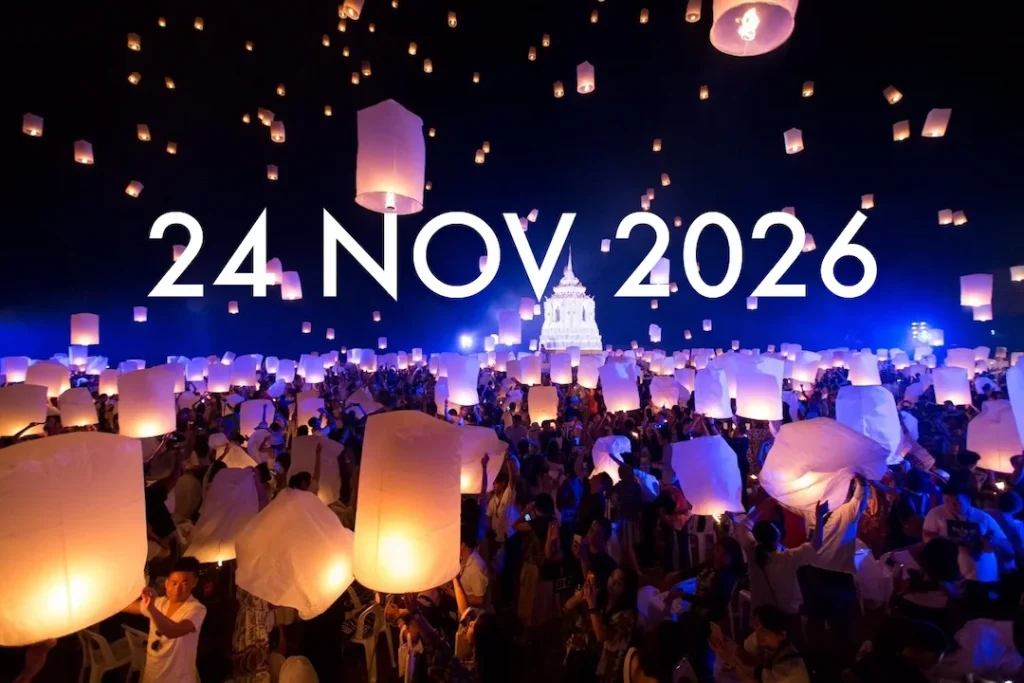
- Yi Peng & Sky Lantern Festival (Thailand): In northern Thailand, the Yi Peng Lantern Festival, known for releasing sky lanterns, is expected to be held on November 24–25, 2026.
Aside from traditional Asian lantern events, many countries host lantern-themed light festivals at other times of the year. These include community celebrations, arts and light installations, and seasonal winter lantern trails.
UK Festival Calendar
The lantern festival UK scene is diverse, with both traditional lantern-themed events and modern light festivals featuring lantern displays. While dates can vary year to year, here are some confirmed and expected events for 2026:
- Land of Lights Lantern Festival (Milton Keynes): Running from 18 October 2025 to 28 February 2026, this award-winning lantern trail invites visitors to wander through illuminated portals and artistic lantern installations.
- Lantern Festival in London (Central London Market): A local lantern event took place from 27 February to 1 March 2026 at Canopy Market in London, offering a community lantern celebration ahead of spring.
- The Festival of Light (Longleat): While not strictly a traditional lantern festival, this large UK light event runs from 7 November 2026 to 10 January 2027, featuring illuminated trails and festive displays that many lantern lovers enjoy as part of the broader seasonal light festival calendar.
Many UK cities also host local lantern parades and community events throughout the year—especially around cultural celebrations, harvest festivals, or school events. Checking local council event calendars or tourism websites can help you find smaller lantern festival UK celebrations near you.
How to Plan Ahead
Planning your lantern festival trip in 2026 can make your experience more enjoyable and stress-free. Here are key steps to consider:
Choose Your Festival
Decide whether you want to attend a traditional cultural event (like Taiwan or Thai lantern festivals) or a modern light festival in the UK or Europe. Traditional festivals often have fixed dates tied to lunar calendars, while light art events may run over longer seasonal periods.
Book Early
Popular lantern events—especially in Asia—draw large crowds. Booking flights, hotels, and festival tickets well in advance can save money and ensure availability. For events like the Taiwan Lantern Festival or Yi Peng in Thailand, accommodation near major venues fills up quickly.
Check Local Schedules
Some festivals, particularly community lantern events in the UK, may not have fixed annual dates until closer to the event. Follow official event pages or local tourism boards for the most up-to-date schedules.
Plan for Weather and Season
Many lantern festivals take place outdoors. In the UK, winter light festivals are best enjoyed in the colder months when darkness comes earlier. For Asian lantern festivals, consider the climate—March in Taiwan and November in Thailand can have varying weather conditions.
Booking Tickets and Travel Tips
- Official Websites & Trusted Vendors: Always book tickets through official festival websites or reputable travel platforms to avoid scams or resold tickets.
- Travel Packages: Some travel agencies offer festival-focused packages that include flights, hotels, and event tickets—ideal for international visitors.
- Local Transport: Research local transport options to and from festival venues. Many events provide shuttle buses or recommend nearby train stations.
- Stay Flexible: For traditional lunar calendar events, dates shift yearly. If you’re planning travel around a specific festival, build flexibility into your itinerary in case dates are adjusted.
Cultural Traditions & Activities
Lantern festivals are not only about glowing lights and beautiful decorations—they are deeply rooted in cultural traditions and community activities. Across different regions, these celebrations bring people together through meaningful rituals, festive foods, and vibrant performances. Each element adds to the spiritual and social richness of the festival, making it a complete cultural experience.
Lantern Lighting Rituals
One of the most important traditions in any lantern festival is the act of lighting lanterns. This simple yet powerful ritual carries deep symbolic meaning in many cultures, especially in Asian traditions.
Lighting a lantern represents hope, guidance, and renewal. It is believed that when a lantern is lit, it pushes away darkness and invites positivity into one’s life. Many people write wishes, dreams, or prayers on lanterns before releasing them into the sky or placing them in public displays. This act symbolizes letting go of past worries and welcoming new beginnings.
In the context of the chinese lantern festival, lantern lighting is also associated with unity and family harmony. Families gather together to light lanterns, reflecting the importance of togetherness and shared happiness. The glowing lanterns seen across streets and parks are not just decorations—they represent collective hopes and blessings.
In some traditions, lantern lighting is also connected to spiritual beliefs. It is thought to guide ancestral spirits or symbolize respect for divine forces. Whether used in religious ceremonies or public celebrations, the ritual of lighting lanterns remains the emotional heart of the festival.
Food and Festive Dishes
Food plays a central role in lantern festival celebrations, turning the event into a joyful feast for families and communities. Traditional dishes are often prepared and shared as part of the festivities, each carrying symbolic meaning.
The most famous food associated with the lantern festival is tangyuan—sweet rice dumplings made from glutinous rice flour and filled with ingredients like sesame paste, red bean, or peanuts. These soft, round dumplings are typically served in a warm syrup or soup.
Tangyuan symbolizes family unity and togetherness, as their round shape represents completeness and reunion. Eating them during the festival is believed to bring harmony and good fortune to families in the coming year.
In addition to tangyuan, different regions celebrate with their own traditional sweets and snacks. In some areas, rice cakes, sweet buns, and seasonal desserts are shared among family members and neighbors. Street vendors also play a big role during lantern festivals, offering a variety of festive foods that attract crowds and create a lively atmosphere.
In modern celebrations around the world, especially in the UK and other Western countries, lantern festivals often include multicultural food stalls. These may feature Asian-inspired dishes alongside local street food, making the event more diverse and accessible to international visitors.
Performances and Entertainment
Entertainment is a major highlight of lantern festivals, transforming public spaces into lively cultural stages filled with music, dance, and visual performances. These activities add energy and excitement to the glowing atmosphere of lantern displays.
Dragon Dances
One of the most iconic performances is the traditional dragon dance. In this performance, a long, colorful dragon puppet is carried by a team of dancers who move in synchronized patterns. The dragon is believed to bring good luck, prosperity, and protection.
Dragon dances are especially popular during the chinese lantern festival, where they are performed in streets, temples, and public squares. The combination of movement, rhythm, and bright lantern lights creates a powerful and festive visual experience.
Fire Shows
Fire performances are another thrilling part of lantern festivals. Skilled performers use fire sticks, poi, or torches to create dramatic visual effects. These shows symbolize energy, transformation, and the power of light over darkness.
Fire shows are often held in open spaces during evening celebrations, adding excitement to the peaceful glow of lantern displays. The contrast between firelight and lantern light creates a mesmerizing atmosphere for spectators.
Music and Street Performances
Music is an essential part of lantern festival celebrations. Traditional instruments such as drums, gongs, and flutes are commonly used in Asian festivals, while modern events may include live bands, DJs, or orchestral performances.
Street performances are also common, especially in large-scale festivals. These may include acrobats, cultural dancers, puppet shows, and theatrical acts. In cities like London or Manchester, lantern festivals often blend traditional performances with contemporary art, reflecting the multicultural nature of the UK.
These performances not only entertain but also preserve cultural heritage and storytelling traditions. They turn lantern festivals into immersive experiences where light, sound, and movement come together in harmony.
How to Celebrate a Lantern Festival (At Home or Locally)
Celebrating a lantern festival doesn’t always require traveling to a major event or cultural destination. You can easily recreate the magic at home or organize a small local gathering with family, friends, or your community. With a little creativity, simple materials, and thoughtful planning, you can enjoy a meaningful and memorable lantern festival experience while keeping it safe and eco-friendly.
DIY Lantern Ideas
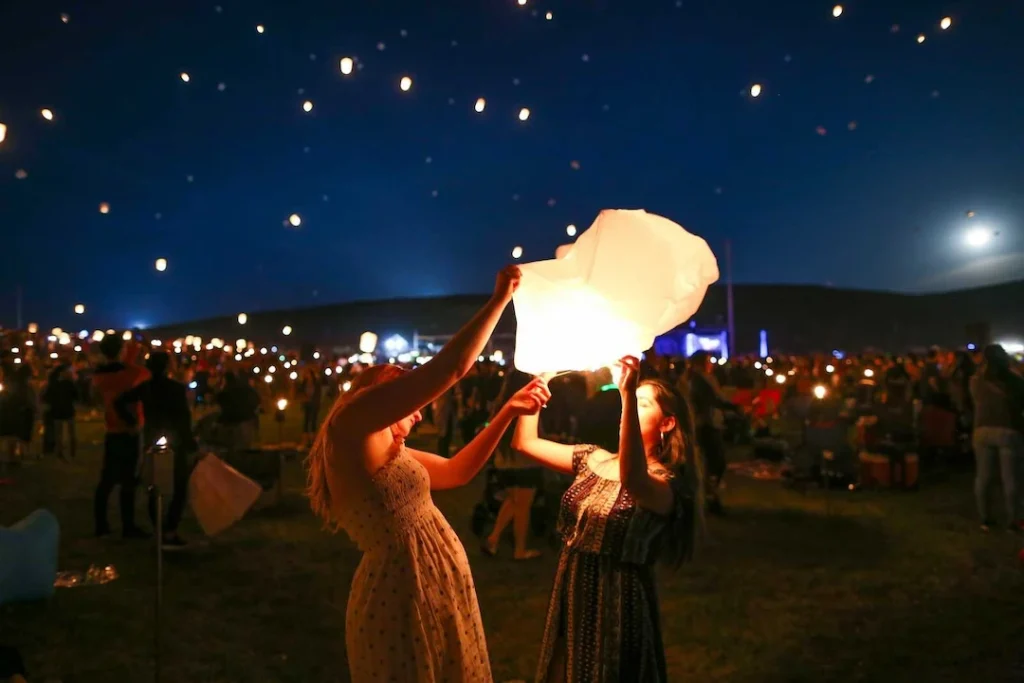
One of the most enjoyable parts of celebrating a lantern festival at home is making your own lanterns. DIY lanterns allow you to personalize your celebration and add a creative touch.
You can start with simple materials like colored paper, glass jars, balloons, or recycled bottles. Paper lanterns are the most traditional style—just fold and cut decorative patterns into paper sheets, then place a small LED light or candle alternative inside to create a warm glow.
For a more modern approach, mason jar lanterns are very popular. Simply decorate glass jars with paint, stickers, or ribbons, and place battery-operated tea lights inside. These lanterns are safe, reusable, and perfect for indoor or outdoor decoration.
Children can also participate by making mini lanterns using craft paper, crayons, and string handles. This makes the lantern festival a fun family activity that encourages creativity and bonding.
You can even design themed lanterns based on nature, animals, or cultural symbols to make your celebration more visually interesting.
Hosting a Mini Lantern Festival
Hosting your own mini lantern festival is a great way to bring people together and enjoy the spirit of the celebration locally. You don’t need a large venue—your backyard, garden, rooftop, or even a nearby park can work perfectly.
Start by decorating the space with lanterns, fairy lights, and candles to create a warm and magical atmosphere. Set up seating areas with mats, cushions, or picnic blankets so guests can relax and enjoy the view.
You can also include simple activities such as lantern decorating contests, storytelling sessions, or wish-writing stations where guests write positive messages on cards or lanterns. This adds a meaningful touch to your event.
Music is another important element. Soft background music or traditional instrumental tracks can enhance the festive mood. If possible, invite friends or local performers to add cultural performances like dance or acoustic music.
Food also plays a key role in any lantern festival celebration. You can serve snacks, sweets, and warm drinks. If you want to keep it traditional, you can include Asian-inspired dishes or desserts that symbolize unity and happiness.
Safe Lantern Release Tips
If you plan to release lanterns as part of your celebration, safety should always come first. Traditional sky lantern releases can be beautiful, but they must be handled responsibly.
Before releasing any lanterns, check local laws and regulations, as some areas restrict sky lantern use due to fire hazards or environmental concerns. Always choose open spaces away from buildings, trees, and electrical wires.
Use only biodegradable lanterns made from safe materials. Avoid using plastic-based or non-eco-friendly products. If possible, consider LED-powered lantern alternatives that create the same visual effect without fire risks.
Never release lanterns in strong wind or dry weather conditions. Always supervise children and ensure that adults handle the lighting process. Keep water or fire extinguishers nearby as a precaution.
For safer alternatives, many people now prefer floating lanterns or LED lantern displays instead of airborne releases.
Eco-Friendly Celebrations
Modern lantern festival celebrations increasingly focus on sustainability and environmental responsibility. Choosing eco-friendly options helps preserve the beauty of the festival while protecting nature.
Instead of traditional fire-based lanterns, you can use LED lights, solar-powered lanterns, or reusable decorations. These options are safe, long-lasting, and energy-efficient.
Recycled materials are also a great choice for DIY lanterns. Paper, cardboard, and glass can be reused creatively, reducing waste and promoting environmental awareness.
If you are organizing a local lantern event, encourage guests to avoid littering and ensure proper waste disposal. Using biodegradable decorations and natural materials can make your celebration more environmentally friendly.
Eco-conscious celebrations are becoming a key part of modern lantern festival traditions around the world. They allow people to enjoy the beauty of lanterns while respecting the planet.
Travel Guide for Lantern Festivals
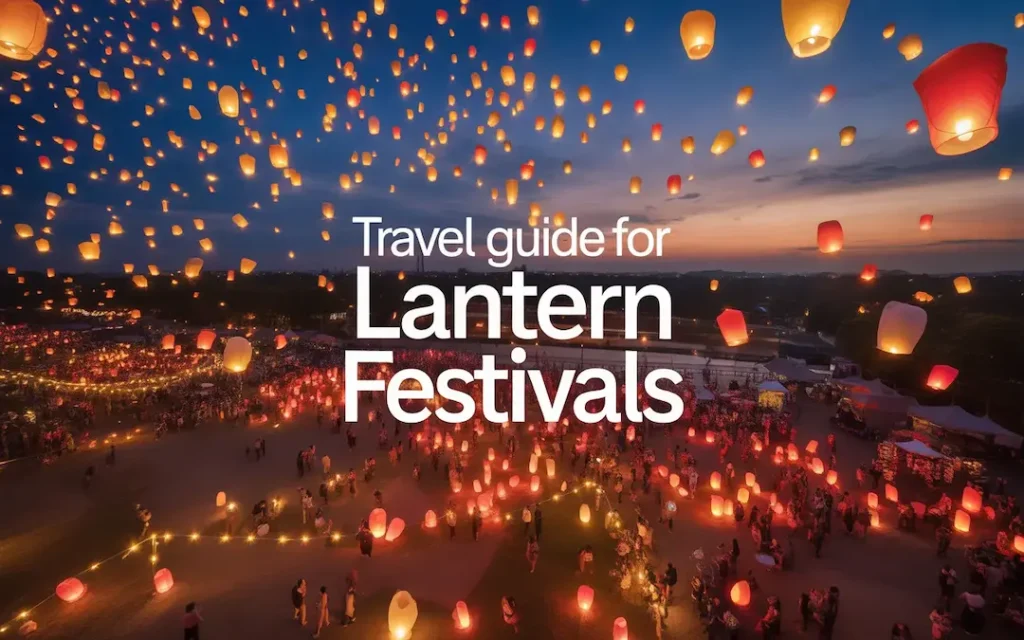
Experiencing a lantern festival in its authentic setting is a magical journey that combines culture, tradition, and breathtaking visuals. Whether you travel to Asia for ancient celebrations or explore modern light festivals in Europe, proper planning can make your trip smooth and unforgettable. This guide highlights the best destinations and essential travel tips to help you enjoy lantern festivals around the world.
Best Countries to Experience Lantern Festivals
China
China is the birthplace of the traditional lantern festival, making it one of the most authentic places to experience this celebration. The festival is deeply connected to ancient customs, often marking the end of the Lunar New Year festivities.
Cities like Beijing, Shanghai, and Xi’an host grand lantern displays featuring glowing sculptures, cultural performances, and traditional food markets. Visitors can enjoy intricate lantern designs shaped like dragons, mythical creatures, and historical scenes.
In China, the lantern festival is not just a visual event—it is a cultural experience. Families gather to solve riddles written on lanterns, enjoy traditional sweets like tangyuan, and participate in community celebrations. The atmosphere is rich with history and symbolism, making it a must-visit destination for cultural travelers.
Thailand
Thailand is world-famous for its stunning sky lantern celebrations, especially the Yi Peng festival in northern cities like Chiang Mai. This event is one of the most photographed lantern festival experiences in the world.
During Yi Peng, thousands of glowing lanterns are released into the night sky, creating a breathtaking scene of floating lights. The festival is deeply spiritual, symbolizing the release of negative energy and the welcoming of good fortune.
Thailand also celebrates Loy Krathong, where floating lanterns are placed on rivers and lakes. Together, these festivals offer both sky and water-based lantern traditions, making Thailand a top destination for lantern lovers.
Visitors should plan carefully, as these festivals attract large crowds from around the world. Booking accommodations early is essential.
United Kingdom
The United Kingdom offers a modern and artistic version of the lantern festival UK experience. While not traditional in origin, UK lantern events are widely celebrated as seasonal light festivals that blend creativity, culture, and entertainment.
Cities like London, Manchester, Birmingham, and Edinburgh host lantern trails, winter light shows, and community lantern parades. These events often feature illuminated sculptures, interactive installations, and themed light displays.
One of the highlights is the Chester Zoo lantern experience, which combines wildlife education with glowing lantern art. Families can walk through beautifully lit animal displays while learning about conservation.
The UK offers a more accessible and family-friendly version of lantern festivals, perfect for travelers who want a shorter or local experience without traveling to Asia.
Travel Tips
Best Time to Book
Timing is crucial when planning a lantern festival trip. For major international festivals, especially in China and Thailand, it is recommended to book 3 to 6 months in advance.
Hotels and flights tend to fill up quickly during peak festival periods, especially around Lunar New Year and Yi Peng celebrations. Early booking not only ensures availability but also helps you secure better prices.
For UK lantern events, tickets are usually released in autumn for winter festivals, so checking official event websites regularly is important.
Cultural Etiquette
Respecting local traditions is an important part of enjoying a lantern festival experience.
In China, avoid touching lantern displays unless permitted, and be respectful during cultural performances and religious ceremonies. When participating in activities like lantern riddles or food sharing, follow local customs politely.
In Thailand, dress modestly when attending spiritual lantern events, especially in temples or sacred areas. When releasing lanterns, do so carefully and follow instructions from organizers.
In the UK and other Western festivals, etiquette is generally relaxed, but respecting event rules, safety guidelines, and public spaces is still important.
Budget Planning
A lantern festival trip can range from budget-friendly to luxury, depending on your destination and travel style.
In Asia, costs include international flights, accommodation, festival tickets (if applicable), and local transport. Thailand is generally more affordable compared to China or Taiwan, especially for food and lodging.
In the UK, lantern festivals may involve ticket prices for light trails, which can vary depending on the event. Some community lantern events are free, while larger installations may require advance booking.
To save money, consider traveling during off-peak days, booking combo travel packages, or staying slightly outside major city centers.
Photography Tips for Lantern Festivals
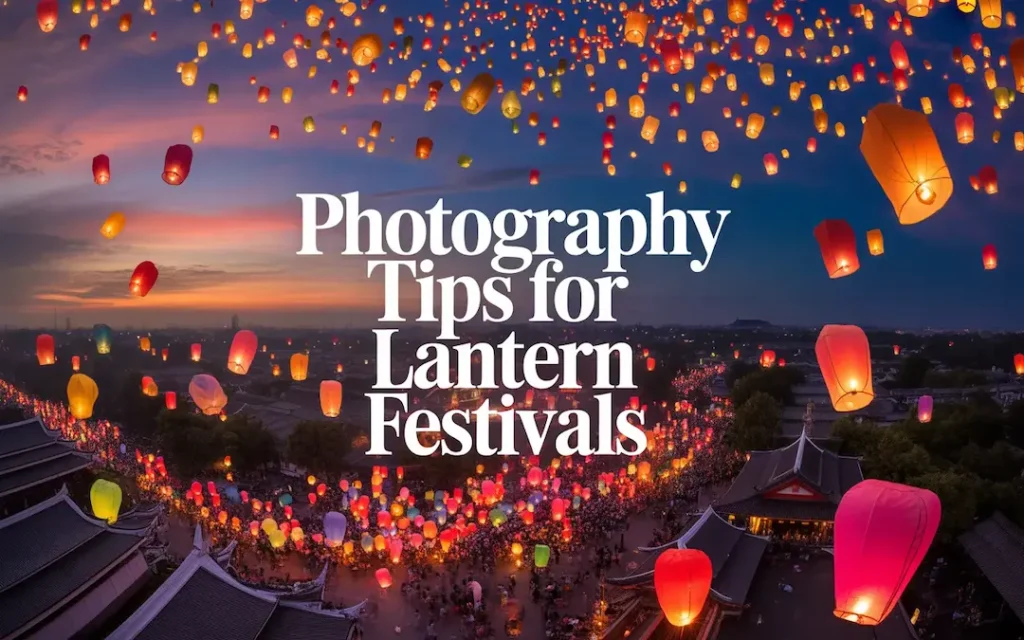
A lantern festival is one of the most photogenic cultural events in the world. The glowing lanterns, night skies, and artistic displays create a perfect opportunity for stunning photos. Whether you’re using a professional camera or a smartphone, knowing a few simple techniques can help you capture magical and memorable shots.
Best Camera Settings
To capture the beauty of a lantern festival, your camera settings play a key role. Since most lantern events take place at night, low-light photography is essential.
- ISO: Keep it between 400–1600 depending on lighting conditions. Higher ISO helps capture brightness but avoid going too high to reduce noise.
- Aperture (f-stop): Use a wide aperture like f/1.8 to f/4 to allow more light into the lens.
- Shutter Speed: Use a slower shutter speed (1/30 to several seconds) to capture glowing effects, but keep your camera steady with a tripod.
- White Balance: Set it to “tungsten” or “auto” to maintain natural lantern colors.
Using a tripod is highly recommended for sharp, stable images, especially during long exposure shots of lantern displays.
Capturing Night Lights
Night photography is the highlight of any lantern festival experience. The key is to balance brightness and detail.
Try to focus on contrast between dark skies and glowing lanterns. Position yourself where lanterns are in the foreground with city lights or reflections in the background. This adds depth and storytelling to your images.
Long exposure shots work especially well for sky lantern releases, creating beautiful trails of light as lanterns rise into the sky. For water lantern festivals, capture reflections on rivers or lakes to enhance the magical effect.
Avoid using flash, as it can wash out the natural glow of lanterns and disturb the atmosphere.
Smartphone Tips
You don’t need a professional camera to take great photos at a lantern festival. Modern smartphones are powerful enough to capture impressive night shots.
- Use night mode for better low-light performance.
- Tap to focus on the brightest lantern to adjust exposure.
- Keep your phone steady or use a mini tripod for stability.
- Adjust brightness manually if the image looks too dark or too bright.
Many smartphones also allow manual settings or “pro mode,” where you can adjust ISO, shutter speed, and white balance just like a DSLR.
Safety & Environmental Concerns
While a lantern festival is a beautiful and meaningful celebration, it is important to understand the safety and environmental concerns associated with lantern releases. Responsible participation ensures that the festival remains enjoyable while minimizing risks to people, wildlife, and the environment.
Fire Hazards and Precautions
One of the main concerns during a lantern festival is the risk of fire, especially when sky lanterns are released. Since many lanterns use an open flame, they can pose hazards if not handled properly.
To stay safe, lanterns should only be released in open areas away from buildings, trees, dry grass, and power lines. Weather conditions also matter—strong winds can cause lanterns to drift off course and increase the risk of accidents. It is always recommended to follow event organizers’ safety instructions and never allow children to handle lit lanterns without adult supervision.
Many modern events now include controlled lantern releases or designated zones to reduce fire risks.
Eco-Friendly Lantern Alternatives
Environmental impact is another important issue. Traditional sky lanterns can sometimes contribute to litter and pose risks to animals if materials are not biodegradable.
To address this, many lantern festival events now encourage eco-friendly alternatives such as LED lanterns, solar-powered lights, or reusable paper lanterns. These options provide the same glowing effect without creating fire hazards or waste.
Floating lanterns made from natural, biodegradable materials are also used in some regions, helping reduce long-term environmental damage. Choosing sustainable options ensures that the beauty of the festival does not come at the cost of nature.
Regulations in Different Countries
Different countries have introduced rules to manage lantern use safely. In parts of Europe, including the UK, sky lanterns are restricted or banned in certain areas due to fire and safety concerns. Events often use LED-based displays instead.
In countries like Thailand, lantern releases are allowed but strictly controlled during festivals such as Yi Peng, with designated zones and timing regulations.
In China and other parts of Asia, lantern traditions are still widely practiced, but large public events are organized with safety monitoring and fire control measures.
Before attending or organizing a lantern festival, it is always important to check local laws and event guidelines to ensure safe and responsible participation.
Conclusion
The lantern festival is far more than a beautiful light display—it is a powerful cultural tradition that represents hope, unity, and renewal across different societies. From its ancient roots in Asia to its modern global celebrations, the festival continues to carry deep meaning while evolving into a worldwide cultural attraction.
FAQs About Lantern Festival
What is the Lantern Festival and why is it celebrated?
A lantern festival is a cultural celebration where illuminated lanterns are displayed, released into the sky, or floated on water. It is celebrated to symbolize hope, light, and new beginnings. In many traditions—especially the chinese lantern festival—it also marks the end of the Lunar New Year.
When is the Chinese Lantern Festival 2026?
The Chinese Lantern Festival in 2026 is expected to take place on March 3, 2026. It falls on the 15th day of the first lunar month, marking the final day of the Chinese New Year celebrations.
Because the date follows the lunar calendar, it changes every year. This day is associated with the first full moon of the year, symbolizing completeness and reunion. Families gather to light lanterns, eat traditional foods like tangyuan, and celebrate together.
Where can I find a lantern festival in the UK?
The lantern festival UK experience can be found in several cities and locations, especially during the winter season. Some of the most popular places include London, Manchester, Birmingham, and Edinburgh.
In London, you can enjoy seasonal light festivals and cultural lantern displays. One of the most famous attractions is Chester Zoo, which hosts the well-known chester zoo lanterns event featuring wildlife-themed light installations.
Are water lantern festivals safe?
A water lantern festival can be safe if proper precautions are followed. Most organized events use biodegradable lanterns and ensure controlled environments to reduce environmental impact and safety risks.
What should I wear to a lantern festival?
When attending a lantern festival, it’s best to dress comfortably and appropriately for the weather. Since most events take place in the evening or at night, wearing warm layers is recommended—especially in countries like the UK.
Choose comfortable shoes, as you may need to walk through parks, trails, or crowded festival areas. If you’re attending a cultural festival in Asia, modest clothing is often appreciated, particularly at religious or temple-based events.
Related Post Links

Andrew Horton is a passionate writer covering travel, festivals, and culture. He enjoys turning complex information into simple, enjoyable reads for curious audiences.